

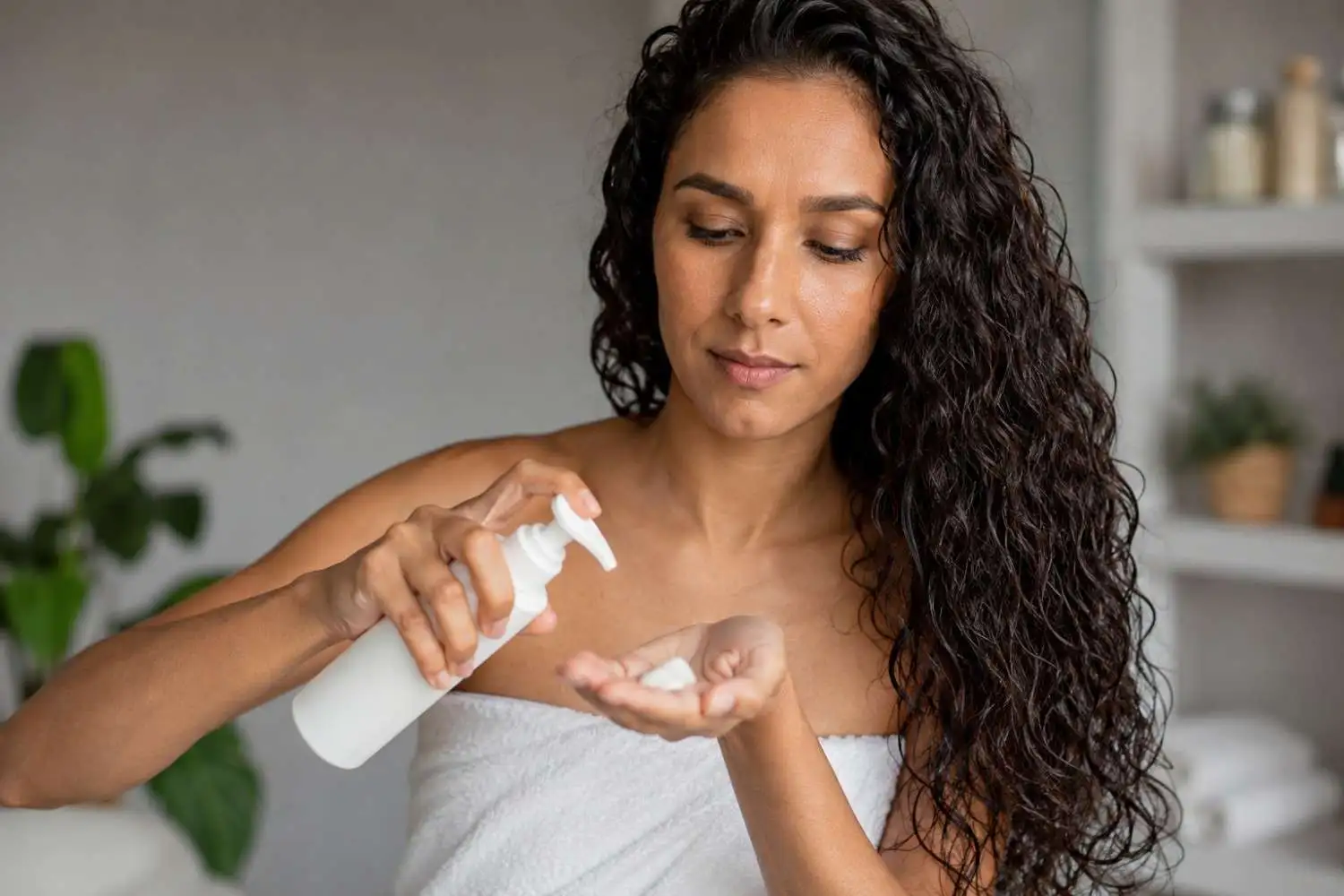
There’s no doubt that curls look amazing after a texture release, but what can ruin the whole vibe is making a few common texture release mistakes. Yes, it’s easy to think that once you walk out of the salon, your hair is ready for anything and you don’t need to worry much.
But that’s where things can start going wrong. From using the wrong products to skipping proper aftercare, small mistakes can affect how your curls look and feel over time.
So, if you don’t want to end up damaging your fresh style or losing that smooth finish, take a look at this blog. We’ve covered some mistakes you should avoid to keep your texture release results looking their best.
What Is Texture Release?
Texture release is a gentle chemical treatment that softens your natural curl pattern without completely straightening it. It makes your hair smoother, easier to manage, and more versatile while preserving much of its natural texture.
This treatment wonderfully reduces shrinkage, simplifies detangling, and increases styling versatility, all while helping you keep your natural curls. By following a texture release maintenance routine, you can avoid breakage that keeps your hair healthy and easy to manage until your next visit to the salon.
Top 7 Texture Release Mistakes to Avoid
Your curls have a personality of their own, and a texture release can make them easier to manage. However, before you attend your next appointment or wash day, learn the common texture release mistakes that can affect your hair’s health, moisture, and long-term texture.
1. Skipping a Professional Hair Consultation
Every head of hair is unique and has different needs. The only way to know if your hair is healthy enough to undergo a texture release is by having a professional hair consultation. The absence of this step may result in damaging your hair further or receiving an undesirable outcome, as you may have selected an unsuitable treatment for your hair.
2. Pulling or Tugging on the Extensions
Your hair will be more delicate and will need some time to recover after a texture release. Extensions will not be immune to this, as they are a part of your hair. Tugging on extensions, as well as tight hairstyles and being too rough on your hair while detangling, will only lead to breakage.
3. Using the Wrong Texture Release Product
Not every shampoo, conditioner, or styling product is designed for chemically treated hair. Harsh-ingredient products can strip away moisture and reduce the lifespan of your results. Choosing salon-recommended products is one of the most important texture release maintenance steps because they help maintain softness, hydration, and strength.
4. Rushing the Removal Process
When removing a texture release or transitioning back to your natural curls, patience is essential. Trying to speed up the process with harsh treatments or excessive heat can weaken your hair and increase breakage. Giving your hair enough time to adjust helps protect its health.
5. Ignoring Knots and Product Build-Up
Product build-up will make it harder to maintain hair and may result in breakage. Detangle your hair as needed and cleanse your hair to remove unnecessary build-up. Your hair deserves to be healthy and free of product build-up.
6. Not Doing Aftercare Once Extensions Are Taken Out
You can’t just leave the salon and consider your hair treatment done. Conducting regular trims, limiting the use of styling tools (especially those that use heat), and conducting deep conditioning treatment helps strengthen your hair. Doing so makes styling your hair easy in the duration between your appointments and helps keep your hair healthy and soft.
7. DIYing Texture Release Without Learning About It
Watching a couple of videos can’t replace you going to beauty school. Conducting a chemical treatment on your own without any understanding about the type and texture of the hair you’re dealing with. Not knowing how the treatment interacts with the hair and other products can cause a lot of damage that can be hard to fix.
One of the biggest texture release mistakes to avoid is experimenting at home when you’re not very familiar with the process. If you want safe, predictable results, it’s always worth trusting an experienced stylist.
Pro Tips for a Safe and Damage-Free Texture Release
Now that you know what can go wrong, the good news is that most of these problems are easy to avoid. A few smart habits can help you have soft, manageable hair without the stress of unexpected damage. If you want your curls to stay healthy while enjoying the benefits of a texture release, these tips are worth adding to your routine.
Take Clues From Your Hair Before Your Appointment
Your hair has its own way of communicating. If your hair seems to be falling out more than usual, and you see it becoming more and more dry after each wash, or if your hair has gone through a coloring or any chemical treatment recently, be sure to tell your stylist. Making sure to do this helps prevent a lot of the common mistakes that can be made when conducting a Texture Release, and can be done before the treatment has even started.
Make Sure to Moisturize Your Hair Every Week
Moisture is what helps your hair stay soft and flexible after a texture release. You can go with a hydrating conditioner, deep condition when your hair needs it, and avoid your strands staying dry for days. This simple habit supports good texture release maintenance and helps reduce breakage.
Go Easy on Heat Styling
One of the best parts of a texture release is that styling gets easier. You do not need to straighten your hair every chance you get. Give your strands a break from flat irons and high temperatures, and enjoy your natural texture with simple styles that protect your hair.
Stay Consistent with Salon Visits
Waiting too long between appointments can leave your hair difficult to manage. Your stylist can check how your hair is responding, trim away damaged ends, and recommend any changes to your routine before small issues become bigger ones.
Don’t Hesitate to Ask Questions
It’s a given that you don’t know everything about hair and all the products, and that’s why it’s really important to ask your stylist all the questions you might have. Getting good tips that you can follow to help care for your textured hair is a huge help and something that will give you confidence in the beautiful and healthy results you will have.
Book Your Texture Release Consultation with S24Salon Today
Your curls are your crown, and they should be celebrated, not managed with frustration every day. Reach out to S24Salon today, where our Afro hair specialists take the time to understand your unique curl pattern, hair goals, and daily routine before recommending the right treatments and care solutions for you.
Looking for a texture release, protective styles, hair extensions, color services, or a complete Afro hair care experience? We’re here to bring out the best in your curls. So, book your consultation today and get the curls that shine with confidence.
FAQs
Q1. Is texture release a bad choice for your afro hair?
Ans: Texture release is not a bad choice. The thing is, it just needs to be done correctly by a professional and followed with proper care. The key is using the right products, maintaining moisture, and avoiding habits that can weaken your curls.
Q2. What are the disadvantages of texturizers?
Ans: Texturizers can sometimes cause dryness, breakage, or damage to your curls when they’re not used properly or applied too frequently. Skipping the right aftercare, or using harsh products, can weaken your strands and make your curls harder to maintain.
Q3. Does your hair go back to normal after a texturizer?
Ans: Yes, your natural hair can grow back after a texturizer, but the treated sections will not return to their original texture. As your hair grows, you will notice your natural curl pattern coming back from the roots.
Q4. What are the four main types of hair textures?
Ans: The four main hair texture types are straight, wavy, curly, and coily. Each texture has different needs when it comes to moisture, styling, and care, which is why understanding your hair type is important.
Q5. How many times can you use a texturizer?
Ans: The frequency can be decided based on the condition of your hair, its growth, and how well you are maintaining it. Most professionals recommend waiting several weeks or months between treatments to avoid over-processing and damage.